Electrical Engineering - GNIET Nagpur | B.Tech Electrical

Electrical Engineering

About Department

The Electrical Engineering Department, established in 2009, offers a Bachelor of Engineering (B.E.) program with an intake capacity of 60 students. In addition, the department has been offering a Master of Technology (M.Tech.) program in Power Electronics and Power Systems (PEPS) since 2014 with an intake capacity of 12 students.

The department is supported by a team of highly qualified and experienced faculty members who are committed to providing quality education and technical guidance. It offers excellent academic and practical exposure through innovative teaching methodologies and industry-oriented learning practices.

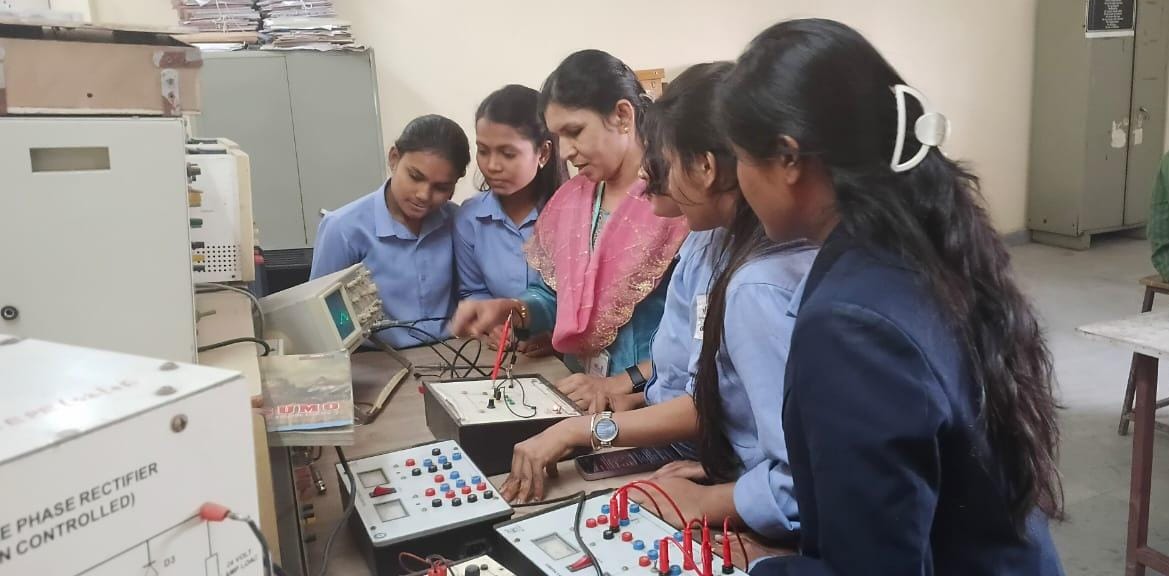
To strengthen hands-on learning, the department houses 11 well-equipped laboratories featuring modern equipment and advanced facilities. A dedicated departmental computer center is available with industry-relevant software tools such as MATLAB, PSCAD, and PSIM. The department has also established its own High Voltage Laboratory through the dedicated efforts of its faculty members.

Regular expert lectures, workshops, industrial visits, and in-plant training programs are organized to bridge the gap between theoretical concepts and industrial applications. These initiatives help students gain practical knowledge and stay updated with emerging technologies in the field of electrical engineering.

The department actively promotes student participation through the Electrical Engineering Student Association (EESA). Under this association, various technical and co-curricular activities such as Project Competitions, Roborace, Junkyard, Technical Quiz, Mock Tests, and other skill-development programs are conducted to encourage innovation, teamwork, and leadership.

The department has an excellent placement record, with students securing opportunities in reputed organizations such as Atlas Copco, Wipro BPO, TCS, Triveni Turbines, Westin Electromech Pvt. Ltd., SGS Technomech Pvt. Ltd., and many other leading industries.

Vision & Mission

Content

Head of Department

Content

Program Offered / Intake

Content

PO's & PSO'S

Content

Faculty Details

Content

Laboratories & Facilities

Content

Faculty Achievement

Content

Students Achievement

Content

Student Forum

Content

Events and Activities

Content

Scheme & Syllabus

Content

About Department

The Electrical Engineering Department, established in 2009, offers a Bachelor of Engineering (B.E.) program with an intake capacity of 60 students. In addition, the department has been offering a Master of Technology (M.Tech.) program in Power Electronics and Power Systems (PEPS) since 2014 with an intake capacity of 12 students.

The department is supported by a team of highly qualified and experienced faculty members who are committed to providing quality education and technical guidance. It offers excellent academic and practical exposure through innovative teaching methodologies and industry-oriented learning practices.

To strengthen hands-on learning, the department houses 11 well-equipped laboratories featuring modern equipment and advanced facilities. A dedicated departmental computer center is available with industry-relevant software tools such as MATLAB, PSCAD, and PSIM. The department has also established its own High Voltage Laboratory through the dedicated efforts of its faculty members.

Regular expert lectures, workshops, industrial visits, and in-plant training programs are organized to bridge the gap between theoretical concepts and industrial applications. These initiatives help students gain practical knowledge and stay updated with emerging technologies in the field of electrical engineering.

The department actively promotes student participation through the Electrical Engineering Student Association (EESA). Under this association, various technical and co-curricular activities such as Project Competitions, Roborace, Junkyard, Technical Quiz, Mock Tests, and other skill-development programs are conducted to encourage innovation, teamwork, and leadership.

The department has an excellent placement record, with students securing opportunities in reputed organizations such as Atlas Copco, Wipro BPO, TCS, Triveni Turbines, Westin Electromech Pvt. Ltd., SGS Technomech Pvt. Ltd., and many other leading industries.
Vision & Mission

Vision

To produce globally competent technocrats in the field of Electrical Engineering capable of accepting challenges and serving the nation for the growth and development of all stakeholders.

Mission

  • To transform rural and underprivileged students into skilled, globally competent, and ethical professionals in the field of Electrical Engineering, thereby improving the quality of life of individuals, their families, industries, and society.
  • To implement a curriculum that integrates analytical tools, design techniques, and efficient management principles to bridge the gap between academia, research, and industry.
  • To nurture sustainability and adaptability among students, enabling them to anticipate changing market dynamics through Industry–Institute Interaction, innovation, and product development.

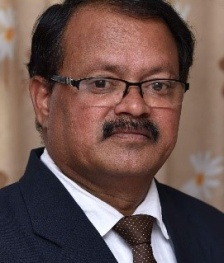
Head of Department

Prof. Rajendra Bhombe

Welcome to the Department of Electrical Engineering. Our department is committed to providing quality technical education, practical knowledge, and industry-oriented skills to students. With experienced faculty members, well-equipped laboratories, and various technical activities under EESA, we strive to develop competent engineers ready to meet industrial and societal challenges. We encourage students to actively participate in academic, technical, and co-curricular activities for their overall growth and successful careers.

Prof. Rajendra Bhombe

Head of Department

Program Offered / Intake

B.Tech. Electrical Engineering
Name of the UG Program B.Tech. in Electrical Engineering
Number of Intake 60
Duration of Course 4 years
Year of Starting 2009
M.Tech. Power Electronics & Power Systems
Name of the PG Program M.Tech. in Power Electronics and Power Systems (PEPS)
Number of Intake 12
Duration of Course 2 years
Year of Starting 2014

PO's & PSO's

Programme Outcomes (POs) - UG

  • PO [1]: Engineering Knowledge – Apply the knowledge of mathematics, science, engineering fundamentals, and an engineering specialization to solve complex engineering problems.
  • PO [2]: Problem Analysis – Identify, formulate, research literature, and analyze complex engineering problems using principles of mathematics, natural sciences, and engineering sciences.
  • PO [3]: Design / Development of Solutions – Design solutions for complex engineering problems with due consideration for public health, safety, cultural, societal, and environmental needs.
  • PO [4]: Conduct Investigations of Complex Problems – Use research-based knowledge and methods including experimentation, analysis, interpretation, and synthesis of information to derive valid conclusions.
  • PO [5]: Modern Tool Usage – Create, select, and apply appropriate techniques, resources, and modern engineering and IT tools for complex engineering activities.
  • PO [6]: The Engineer and Society – Apply contextual knowledge to assess societal, health, safety, legal, and cultural issues related to engineering practice.
  • PO [7]: Environment and Sustainability – Understand the impact of engineering solutions on society and the environment and demonstrate commitment to sustainable development.
  • PO [8]: Ethics – Apply ethical principles and commit to professional ethics, responsibilities, and engineering practices.
  • PO [9]: Individual and Team Work – Function effectively as an individual, team member, or leader in multidisciplinary environments.
  • PO [10]: Communication – Communicate effectively through reports, documentation, presentations, and professional interactions.
  • PO [11]: Project Management and Finance – Apply engineering and management principles to manage projects and multidisciplinary teams.
  • PO [12]: Life-long Learning – Recognize the need for independent and continuous learning in the context of technological advancement.

Programme Specific Outcomes (PSOs) - UG

  • PSO [1] – Demonstrate knowledge in effective implementation of Electrical Engineering practices with due regard to environmental and social concerns.
  • PSO [2] – Demonstrate competence in analysis, design, erection, and laboratory experimentation related to Electrical Engineering.
  • PSO [3] – Pursue continuous self-learning, advanced research, and ethical engineering services for society.

Programme Outcomes (POs) - PG

  • PO [1] – Acquire in-depth knowledge in the domain of power systems.
  • PO [2] – Critically analyze various power system components, models, and operations.
  • PO [3] – Apply engineering fundamentals to analyze, formulate, and solve complex electrical power system problems.
  • PO [4] – Apply advanced electrical power engineering concepts for analysis, design, and development of electrical systems and components.
  • PO [5] – Use advanced techniques, skills, and modern scientific and engineering tools for professional practice.
  • PO [6] – Lead multidisciplinary research teams and communicate effectively.
  • PO [7] – Apply engineering principles for project management and execution.
  • PO [8] – Foster independent, reflective, and lifelong learning.
  • PO [9] – Understand the impact of engineering solutions in global, economic, environmental, and societal contexts.

Programme Specific Outcomes (PSOs) - PG

  • PSO [1] – Demonstrate specialized knowledge in Power Electronics and Power Systems, including operation and control techniques.
  • PSO [2] – Analyze and solve complex power system problems to provide optimal industrial and societal solutions.
  • PSO [3] – Demonstrate research competence for developing innovative products and services in Power Electronics and Power Systems.
  • PSO [4] – Apply modern tools, techniques, and resources to solve complex engineering problems related to Power Electronics and Power Systems.

Faculty Details

Dr. Kishor B. Porate

Dr. Kishor B. Porate

Principal

Qualification: Ph.D, M.Tech, BE

Experience: 37 Years

Prof. Rajendra Bhombe

Prof. Rajendra Bhombe

Professor

Qualification: Ph.D (P) M.Tech, BE

Experience: 21 Years

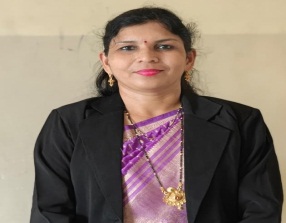
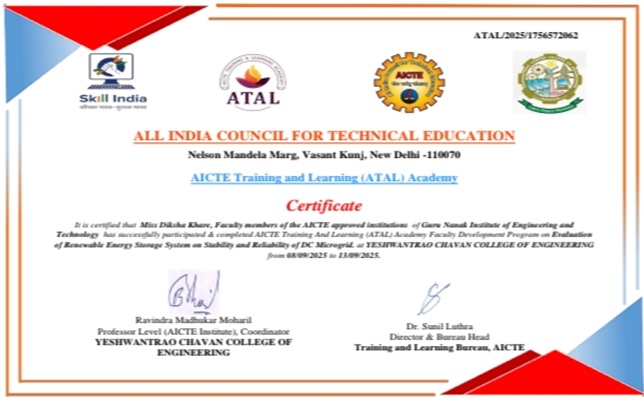
Ms. Diksha Khare

Ms. Diksha Khare

Associate Professor

Qualification: Ph.D (P) M.Tech, BE

Experience: 14 Years

Ms. Kanchan Mishra

Ms. Kanchan Mishra

Associate Professor

Qualification: M.Tech, BE

Experience: 13 Years

Mr. Yogesh Likhar

Mr. Yogesh Likhar

Assistant Professor

Qualification: M.Tech, BE

Experience: 5 Years

Ms. Priyanka R. Rajput

Ms. Priyanka R. Rajput

Assistant Professor

Qualification: Ph.D (P) M.Tech, BE

Experience: 12 Years

Ms. Kavita Patil

Ms. Kavita Patil

Assistant Professor

Qualification: MBA, BA

Experience: 8 Years

Ms. Swati Gajbhiye

Ms. Swati Gajbhiye

Assistant Professor

Qualification: M.Tech, BE

Experience: 7 Years

Ms. Sanjivani Barde

Ms. Sanjivani Barde

Assistant Professor

Qualification: M.Tech, BE

Experience: 7 Years

Ms. Vaishali Dhanwate

Ms. Vaishali Dhanwate

Assistant Professor

Qualification: M.Tech, BE

Experience: 2 Years

Ms. Ishita S. Dupare

Ms. Ishita S. Dupare

Assistant Professor

Qualification: M.Tech, BE

Experience: 11 Years

Ms. Meena Gaurkar

Ms. Meena Gaurkar

Assistant Professor

Qualification: M.Tech, BE

Experience: 4 Years

Mr. Saurabh Bagade

Mr. Saurabh Bagade

Assistant Professor

Qualification: Ph.D (P) M.Tech, BE

Experience: 1 Year

Mr. Harshal Makde

Mr. Harshal Makde

Assistant Professor

Qualification: M.Tech, BE

Experience: 1 Year

Laboratories & Facilities

Network Analysis Lab
Project Lab
Project Lab
Power Electronics Lab
Control Systems Lab
Control Systems Lab
Basic Electrical Engineering Lab
High Voltage Engg Lab
Renewable Energy Systems Lab

Faculty Achievement

Best Teacher Award by GNIET

Prof. Swati Gajbhiye

Best Teacher Award 1
Best Teacher Award 2
Best Costume Award at Jalsa 2K25, GNIET

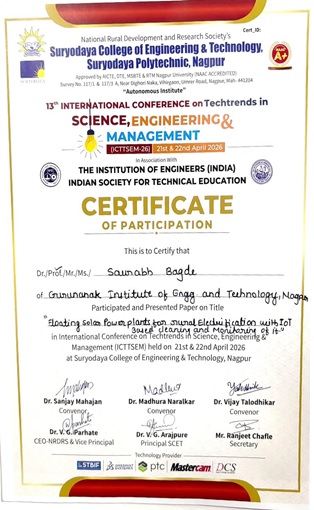
Prof. Saurabh Bagde, Prof. Harshal Makde

Best Costume Award
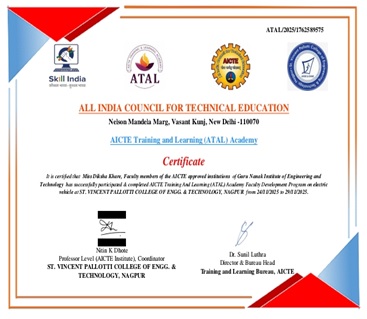
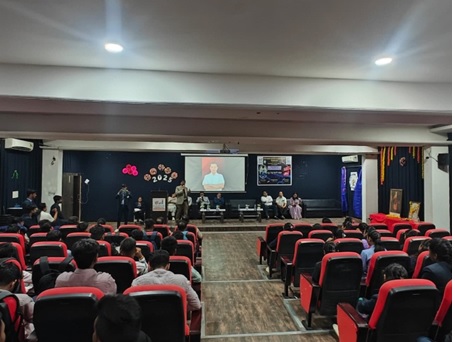
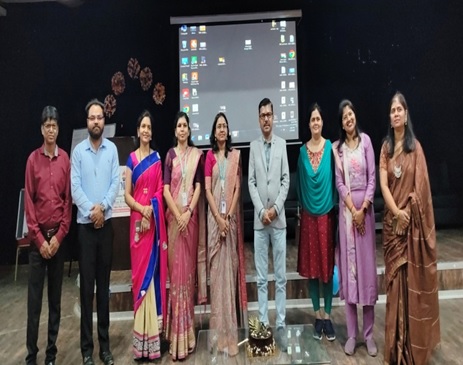
Faculty Participation
Faculty Participation 1
Faculty Participation 2
Faculty Participation 3
Faculty Participation 4
Faculty Participation 5

Students Achievement

Inter University Table Tennis Selection

Ms. Harshali Deogade selected for Inter University Table Tennis Competition and represented RTMNU, Nagpur.

Harshali Deogade Table Tennis
Cash Prize & Consolation Awards at Inter-Collegiate Poster Presentation

Miss Manswi Jagptap, Miss Hitesha Badhole, and Miss Sonali Dhole won cash prize and consolation awards at Inter-Collegiate Poster Presentation Competition organized by Department of Electronics and Computer Science at Rashtrasant Tukadoji Maharaj Nagpur University, Nagpur.

Poster Presentation Winners
Alumnus Cracks SBI Main Exam

Samiksha Dhoke, Alumnus, cracked SBI main Exam.

Samiksha Dhoke SBI Exam

Student Forum

About EESA Forum

EESA (Electrical Engineering Students Association) is the student forum of the Electrical Engineering Department which provides a platform for students to enhance their technical, leadership, and teamwork skills. Under EESA, various activities such as technical quizzes, project competitions, workshops, industrial visits, mock tests, Roborace, and Junkyard competitions are organized regularly for the overall development of students.

Committee Members
Sr.no. Name of Student Post Sem
1 Mr. Anuj Kardbhajane President VII
2 Mr. Tushar Dalvi Vice president V
3 Mr. Arpit Thakare Secretary VII
4 Mr. Sameer Thawale Joint-secretary V
5 Mr. Subodh Tayade Treasure V
6 Mr. Darpan Ade Joint-treasurer V
7 Mrs. Aditi Shende Committee respresentive VII
8 Mrs. Raghini Ambade Historian III
9 Mr. Ashwajeet Zole Committee member V
10 Mr. Sahil Bhondre V
11 Mrs. Shravani Yerne Discipline committee VII
12 Mr. Umesh Kamkhede V
13 Mr. Kunal Gughe Sport incharge III
14 Mr. Prem Bhatkar III
15 Mr. Vaibhav Manavar Photography V
16 Mrs. Garvi kale Report writing III
17 Mrs. Janvi Ninave Decoration committee III
18 Mr. Lokesh Chauhan Food committee VII
19 Mrs. Nandini Kushwaha anchoring VII
20 Mrs. Vaishanavi Bodhe V
Forum Installation on 25/09/2025
Forum Installation 1
Forum Installation 2
Farewell Celebration 2026 on 04/05/2026
Farewell Celebration 1
Farewell Celebration 2

Events and Activities

Seminar on "Recent trends in the field of Electrical Engineering"

by Mr. Pravin Jadhav, CEO and Founder, RPJ Design and BIM Solution on 4/08/2025.

JDS Alloy Visit 1
JDS Alloy Visit 2
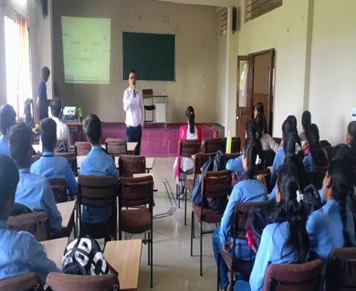
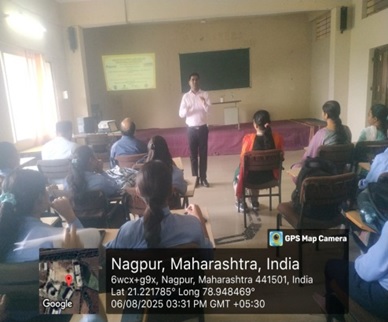
Seminar on "Industrial Automation"

by Mr. Pranav Mehar, Training Head, Prolific Systems on 06/08/2025.

JDS Alloy Visit 1
JDS Alloy Visit 2
Seminar on "Electrical Auto CAD"

by Mr. Kshitij Nawghare, Engineer, Astral Informatics Pvt Ltd, on 11/09/2025.

JDS Alloy Visit 1
JDS Alloy Visit 2
Industrial Visit at JDS Alloy

on 19/09/2025

JDS Alloy Visit 1
JDS Alloy Visit 2
Forum Installation

on 25/09/2025

Idea Presentation

on 01/10/2025

Idea Presentation 1
Idea Presentation 2
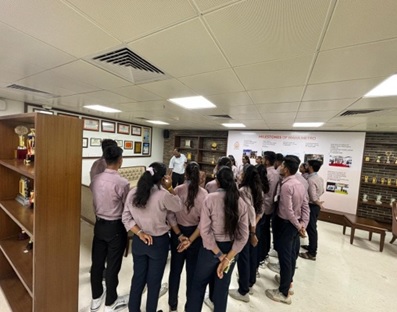
Industrial Visit at Metro Bhavan

on 08/10/2025

Metro Bhavan Visit 1
Metro Bhavan Visit 2
Parent's Teachers' Meet

on 17/11/2025

PTM 1
PTM 2
Poster and Model Competition

on the occasion of Energy Conservation Week 2k25 on 18/12/2025

Poster and Model Competition
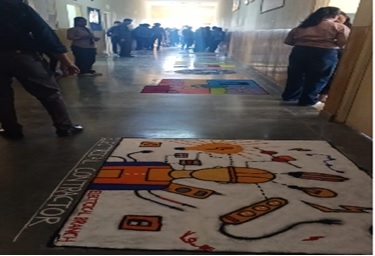
Power Art Rangoli Exhibition

on 18/03/2026

Rangoli Exhibition
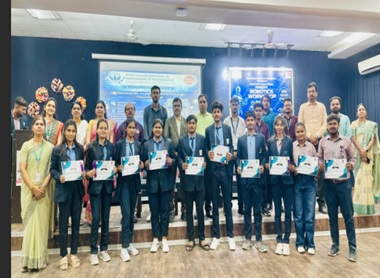
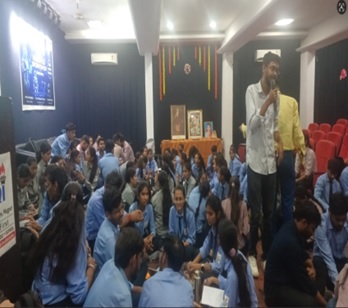
2-Days Robotics Workshop

from 23/03/2026 - 24/03/2026

Robotics Workshop 1
Robotics Workshop 2
Parent's Teachers' Meet

on 27/03/2026

PTM March 1
PTM March 2
Industrial Visit at Koradi Thermal Power Plant

on 30/03/2026

Koradi Visit 1
Koradi Visit 2
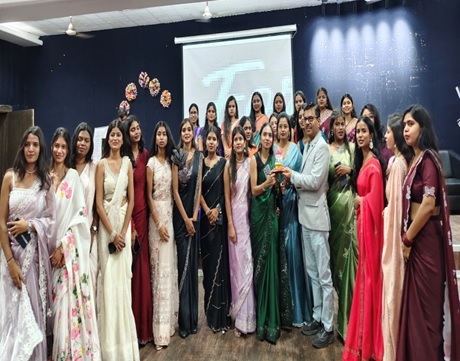
Farewell Celebration 2026

on 04/05/2026

Farewell 1
Farewell 2
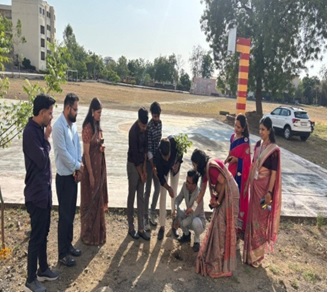
Tree Plantation by Final Year Students

on 04/05/2026

Tree Plantation 1
Tree Plantation 2

Scheme & Syllabus

B.Tech Electrical Engineering
  • New Syllabus of B.Tech 3rd and 4th Semester as per N.E.P.-2020 (Session 2025-26)
    Download PDF
  • New Syllabus of B.Tech 5th and 6th Semester as per N.E.P.-2020 (Session 2024-25)
    Download PDF